
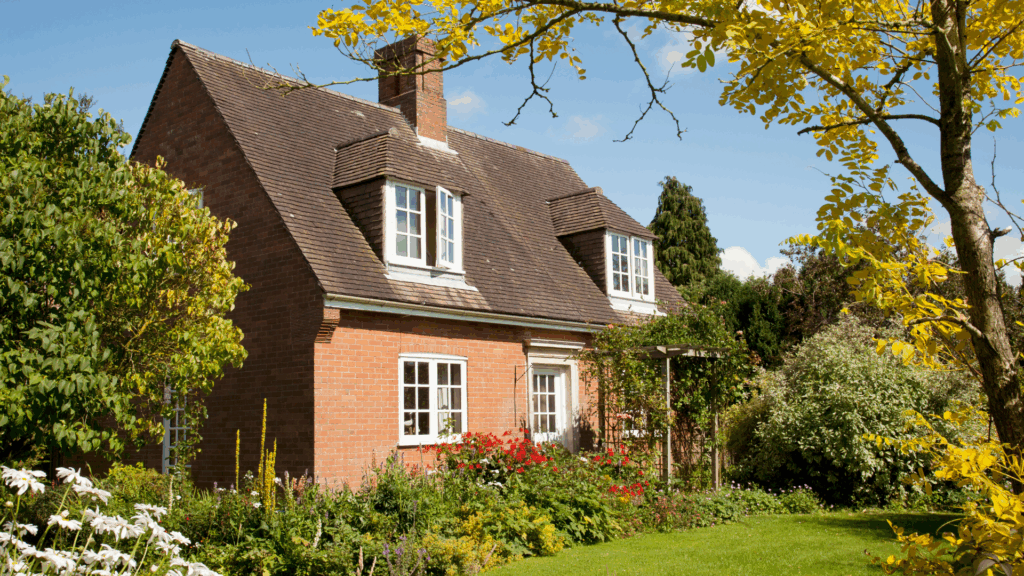
Leaving the Cottage to Your Kids: What the 2024 Tax Changes Really Mean
Leaving the cottage to your kids is one of the most meaningful gifts a family can pass down. A second home carries memories, traditions, and emotional value that goes beyond the market price. But since the 2024 federal budget reshaped the capital gains rules in Canada, passing down a cottage now requires careful planning to avoid leaving your children with an unexpected tax burden.
But with the federal budget introduced in April 2024, the rules around second properties have shifted in a way many Canadians did not expect. If you own a cottage, chalet, lake house, or investment-style getaway, the tax implications can be significant. And without planning, your children could inherit a tax bill instead of the family treasure you hoped to preserve.
As someone who balances financial planning with a deep focus on family, community, and long-term security, I want to break this down clearly and practically.
Below is a straightforward, values-driven overview of what you need to know—and how to protect the legacy you intend to leave.
1. Why Second Homes Are Taxed in the First Place
When you think about leaving the cottage to your kids, it is important to understand why cottages do not receive the same tax treatment as a principal residence. A second home, whether it is a lakeside cabin, country house, or ski chalet, is considered an investment. If the property has increased in value, that gain becomes taxable.
Your primary residence is exempt from capital gains tax, but a second home is not. That difference is what often surprises families during estate planning.
2. How Capital Gains on a Cottage Are Calculated
Capital gains become taxable when a property is sold or transferred. Even if you do not sell the cottage before you pass away, a tax event called a deemed disposition occurs. This means the government treats the property as if it had been sold at fair market value.
This rule applies when:
- You sell the cottage
- You transfer it to someone else, including your children
- You pass away
When families are leaving the cottage to their kids, the deemed disposition is the reason a tax bill often appears unexpectedly.
3. How the June 2024 Capital Gains Changes Affect Your Family
The 2024 federal budget introduced a significant change. For individuals, the inclusion rate on capital gains will rise from 50 percent to 66.6 percent on gains above two hundred fifty thousand dollars in a single year.
This means more of the gain on your cottage becomes taxable.
For businesses and holding companies, there is no two hundred fifty thousand dollar threshold. Many entrepreneurs who hold cottages inside corporations will see the higher inclusion rate applied to the entire capital gain.
Families planning on leaving the cottage to their kids will need to consider these new rules carefully.
4. What These Rules Mean for Your Children
If your goal is to leave the cottage to the kids, this change matters.
5. Strategies to Protect Your Legacy and Ease the Tax Burden
There are several proactive ways to manage or eliminate the tax hit. Each comes with pros and cons, and the right choice depends on your financial picture, family dynamics, and long-term goals.
Option 1: Designate the Cottage as Your Principal Residence
This could exempt the property from tax, but it shifts the tax burden to your other home. Careful calculations are required, and your advisor can walk through your long-term projections to determine if this makes sense.
Option 2: Transfer the Property During Your Lifetime
This triggers a deemed disposition now, meaning you pay the tax while you are alive. This can be a smart move if you have the liquidity to cover the tax without disrupting your retirement or investments.
Option 3: Use Life Insurance to Cover the Tax
This is the strategy many families prefer because it keeps things simple for the next generation.
By purchasing life insurance designed to offset the projected capital gains tax (as well as tax on RRSP/RRIF assets), you ensure your children inherit the cottage—and the rest of your estate—without the weight of a large tax bill.
It’s a clean, efficient way to protect your family legacy.
And if you have a surviving spouse, remember: assets transfer tax-free between spouses. But the tax still eventually arrives on the second passing, so planning remains essential.
Final Thoughts
Preserving a family cottage is not just a financial decision—it is an emotional one rooted in family, memories, and the desire to build something lasting for the next generation.
With the recent tax changes, it is more important than ever to take a strategic approach that blends financial logic with care, foresight, and service to your loved ones.
If you want clarity on which strategy fits your goals, your advisor is here to help you make a well-informed and confident decision.